How To Make Pour Over Coffee

Learning how to make pour over coffee gives you full control over every variable that affects flavor, from grind size to water temperature. You get a cleaner, more nuanced cup than most drip machines can produce.

This guide walks you through the exact ratios, temperatures, and pouring technique you need. Follow each step and you will brew a balanced cup on your very first try.
Coffee To Water Ratio

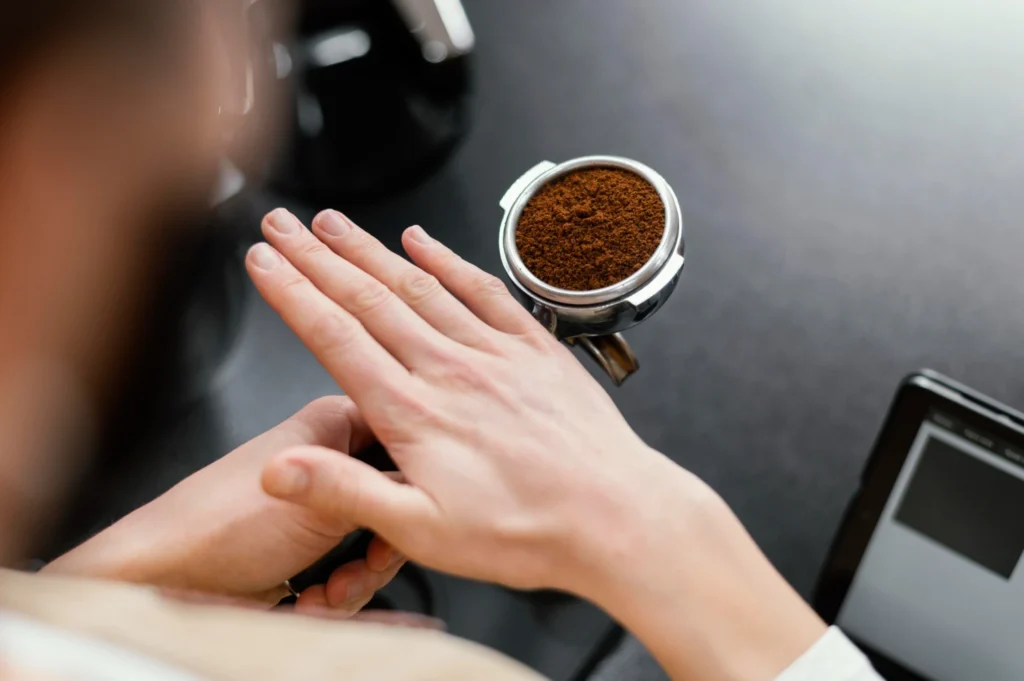
Start with a ratio of 1 gram of coffee for every 16 grams of water. For a single 12 ounce cup, that works out to roughly 22 grams of coffee and 350 grams of water.

Ideal Water Temperature

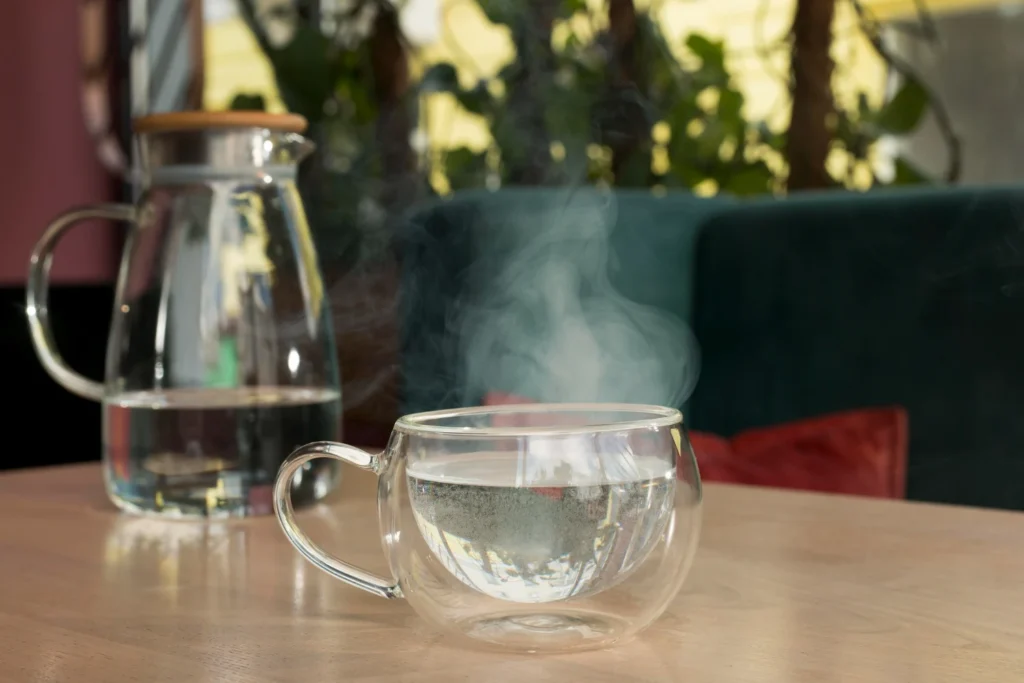
Your water should sit between 195 and 205 degrees Fahrenheit. A kettle with built in temperature control takes the guesswork out of hitting that range every single time.

Total Brew Time

A full pour over brew takes between three and four minutes from the first pour to the last drip. Rushing the process leaves your coffee weak and sour.

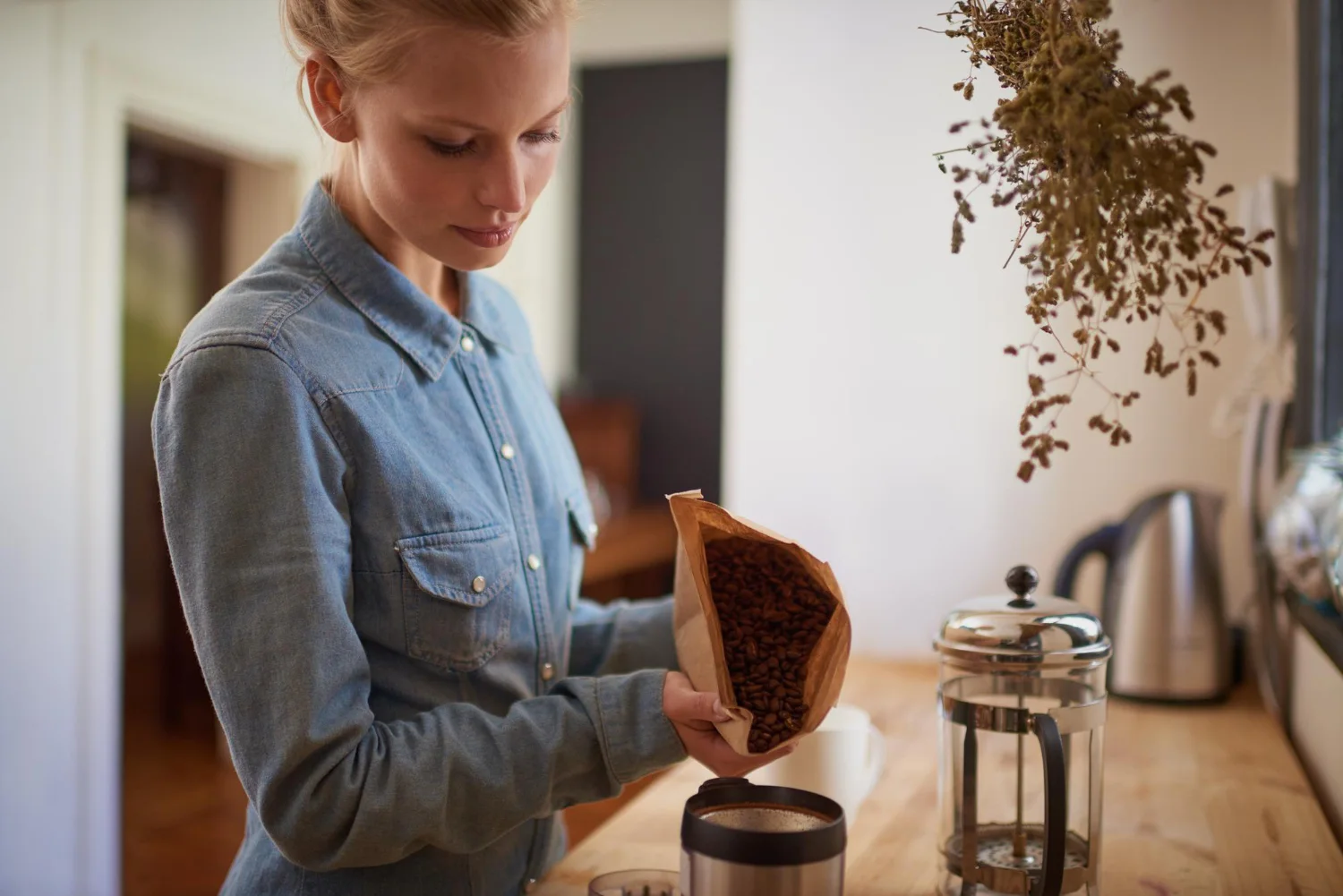
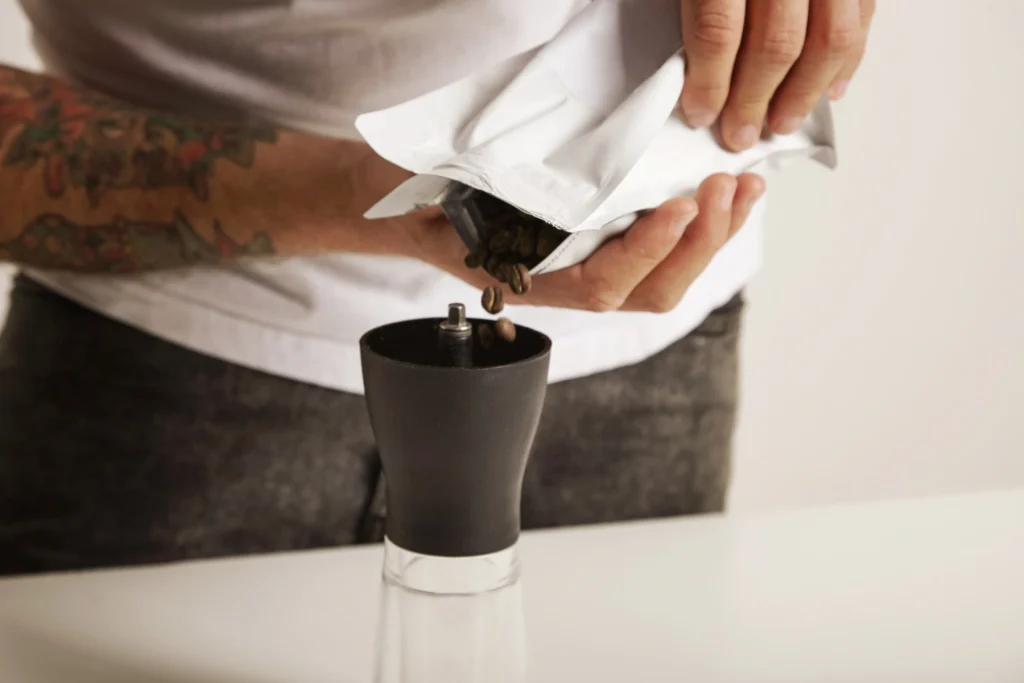
Grind your beans to a medium consistency, similar to coarse sand. Too fine and your coffee turns bitter, too coarse and it tastes thin and watery.

Grind right before you brew. Coffee starts losing aroma within minutes of grinding, so freshly ground beans make a noticeable difference in the final cup.

Bring your water to a near boil, then let it rest for thirty seconds before pouring. This drops the temperature into the ideal brewing range without you needing a thermometer.

If your kettle has a temperature display or preset settings, use the setting made for pour over or filter coffee. Consistent temperature means consistent results every morning.

Pour just enough water to saturate the grounds, about twice the weight of your coffee. Let the grounds sit and bubble for thirty to forty five seconds before continuing.

This step, called the bloom, releases trapped carbon dioxide from the beans. Skipping it leads to uneven extraction and a flat tasting cup.

After the bloom, pour the rest of your water in slow circular motions, working from the center outward. Keep the water level steady and avoid pouring directly against the filter walls.

Break your pour into two or three stages rather than one continuous stream. This keeps the grounds evenly saturated and pulls more flavor from every gram of coffee.

Tips For The Best Pour Over Coffee

Use filtered water whenever possible. Tap water with heavy mineral content or chlorine can mute the flavors you worked hard to extract.

Weigh your coffee and water instead of eyeballing it. A simple kitchen scale removes the single biggest source of inconsistency between brews.

Keep your pour steady and avoid rushing the final stage. A slower, controlled pour extracts more evenly than a fast, heavy stream.

Clean your dripper and kettle regularly. Built up coffee oils turn rancid over time and will make even fresh beans taste off.

Why Pour Over Coffee Tastes Better

Pour over coffee gives you direct control over every variable, something a drip machine simply cannot offer. You decide the temperature, the pour speed, and the contact time between water and grounds.

That control translates into a cleaner cup with more distinct flavor notes. Once you taste the difference, it is hard to go back to a standard coffee maker.

Common Pour Over Coffee Mistakes To Avoid

Pouring too fast is the most common mistake beginners make. A rushed pour does not give the water enough contact time with the grounds, leaving you with a weak, under extracted cup.

Using water that is too hot is another frequent issue. Water above 205 degrees scorches the grounds and pulls out bitter compounds that mask the coffee’s natural sweetness.

Now that you know how to make pour over coffee the right way, all that is left is practice. Dial in your ratio, control your temperature, and you will be brewing café quality coffee at home within a week.